Plug-In Hybrids Finally Enter India’s Spotlight: BYD DM-i and Mercedes S-Class PHEV Could Open a New Chapter
- Team Autopunditz
- Jun 9
- 4 min read
India’s passenger vehicle market has seen a clear split in recent years. On one side are pure electric vehicles, helped by lower taxation and rising charging infrastructure. On the other are strong hybrids have found acceptance among buyers who want fuel efficiency without charging dependency. But plug-in hybrid electric vehicles, or PHEVs, have largely remained absent from the Indian mainstream.
That could change this month.
BYD has showcased its Sealion 6 with DM-i Super Plug-in Hybrid EV technology in India on June 9, while Mercedes-Benz is expected to introduce a plug-in hybrid version of the S-Class on June 15. Together, these two launches could bring attention to a powertrain format that sits between full EVs and conventional hybrids.

What Makes a PHEV Different?
A plug-in hybrid electric vehicle uses both an internal combustion engine and a battery-powered electric motor. Unlike a regular strong hybrid, a PHEV has a larger battery pack and can be charged externally. This allows the vehicle to run in pure EV mode for daily city commutes, while the petrol engine takes over or supports the system for longer trips.
In simple terms, a PHEV tries to offer the best of both worlds: EV-like silent driving for everyday use and ICE-backed flexibility for highways.
This is important for India, where charging infrastructure is improving but still uneven across highways, smaller cities and apartment complexes. For many buyers, a PHEV can reduce fuel consumption in daily driving without creating the range anxiety associated with pure EV ownership.
BYD Sealion 6: A Big Signal From the Global NEV Leader
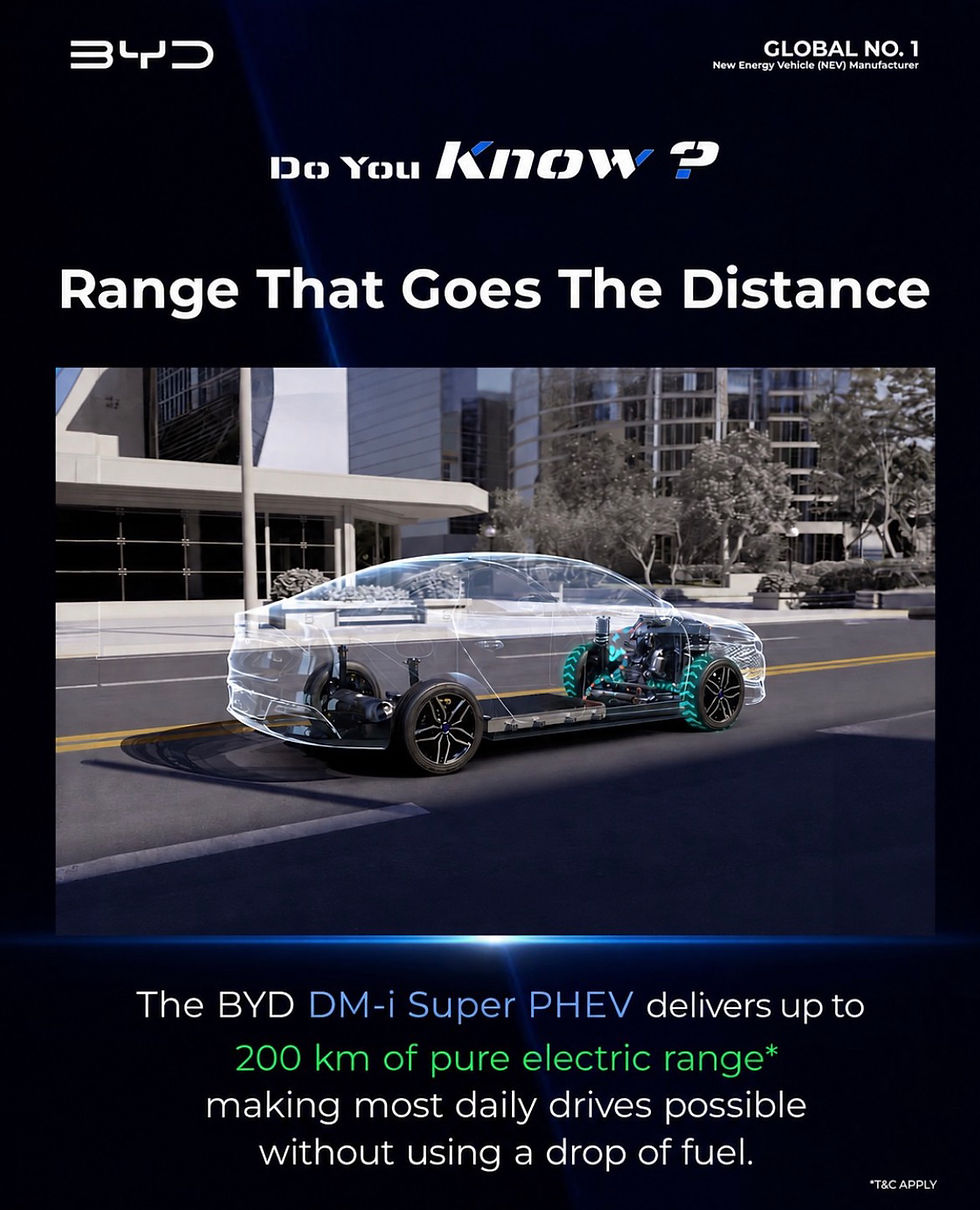
BYD’s Sealion 6 highlights its DM-i Super PHEV technology with a claimed pure electric range of up to 200 km, subject to conditions. That is a significant figure because most daily urban drives in India are well below that distance. If the final India-spec product offers similar real-world usability, many owners could complete weekday commutes without using petrol.
Globally, BYD’s Super DM plug-in hybrid technology is designed to operate on an electric-first basis, with the engine primarily serving to support efficiency and extend range. BYD says its Super DM technology can extend the total driving range to over 1,000 km on a full battery and a full fuel tank.
Mercedes-Benz S-Class PHEV: Luxury Buyers Get the First Taste
The second important PHEV arrival is expected from Mercedes-Benz. The updated S-Class is scheduled for India launch on June 15, and reports indicate that the S 450e plug-in hybrid will be part of the line-up.
The S-Class PHEV is expected to combine a 3.0-litre turbo-petrol engine with an electric motor. Reports suggest a system output of around 435 hp and 680 Nm, with a battery pack capable of delivering nearly 100 km of pure electric range.
For luxury buyers, this makes sense. The car can be used as a silent EV inside the city and as a powerful luxury sedan on intercity routes. It also helps Mercedes-Benz offer an electrified flagship without asking customers to move entirely to a battery-electric luxury car.
Why India Has Stayed Away From PHEVs So Far
Despite their technical advantages, PHEVs have not taken off in India for three key reasons.
First, they are expensive to develop and manufacture because they need both a full combustion engine system and a sizeable battery-motor setup.
Second, India’s tax structure has traditionally favoured pure EVs much more strongly than hybrids. Electric vehicles continue to attract 5% GST, while hybrids sit in a much higher tax bracket.
Third, Indian carmakers have focused on clearer strategies: either affordable ICE cars, strong hybrids for fuel efficiency, or pure EVs for long-term electrification. PHEVs remained a niche because their cost-benefit equation was difficult to justify.
Why PHEVs Could Still Matter Now
The timing is interesting. Indian EV adoption is rising, but customers continue to worry about charging access, battery range, resale value and highway usability. Strong hybrids have shown that buyers are open to electrified powertrains if they reduce operating costs without changing usage habits.
PHEVs can go one step further. For customers with home or office charging, a PHEV can behave like an EV for most daily usage. For longer journeys, the petrol engine removes dependence on public chargers. This makes the format particularly relevant for premium buyers, fleet operators, technology-focused customers and intercity users.
The approach could also appeal to people who want to move towards electrification but are not ready for a full EV yet.
The Tax Question Remains the Biggest Roadblock
The biggest challenge for PHEVs in India will not be technology. It will be pricing.
As long as PHEVs do not receive meaningful tax support, they will remain expensive compared to EVs and even strong hybrids. That means the first wave of PHEVs is likely to remain concentrated in the premium and luxury segments, where buyers are more willing to pay for technology, range flexibility and novelty.
For mass-market adoption, India would need either localised PHEV production, a more favourable tax structure, or both.
Auto Punditz Take
The arrival of BYD’s DM-i technology and Mercedes-Benz’s S-Class PHEV could mark the beginning of India’s plug-in hybrid conversation. These products may not immediately transform sales volumes, but they will test whether Indian customers are ready for a third electrified path between EVs and strong hybrids.
For BYD, PHEVs could help widen its appeal beyond pure EV buyers. For Mercedes-Benz, the S-Class PHEV adds a technology-rich flagship option. For the Indian market, this could be the start of a broader debate: should electrification be only about pure EVs, or should India also encourage bridge technologies that reduce fuel usage without creating charging anxiety?
PHEVs may not be the final destination, but in India’s current ecosystem, they could become an important transition technology.