


Kia Sorento Diesel vs Toyota Fortuner Diesel (2026): Which Premium SUV Should You Buy?
India's premium SUV market has an interesting new contest. The arrival of the Kia Sorento at an introductory starting price of ₹27.99 lakh has created an alternative to one of the country's most established full-size SUVs, the Toyota Fortuner.
While the Sorento focuses on modern technology, passenger comfort, premium interiors and everyday usability, the Fortuner continues to appeal to buyers seeking rugged construction, strong diesel performance, off-road capability and dependable long-term ownership.
Both SUVs offer three rows of seating, diesel engines and all-wheel-drive or four-wheel-drive options. However, their underlying engineering and intended use are fundamentally different.
So, should buyers choose the feature-rich Kia Sorento Diesel or spend more on the proven Toyota Fortuner Diesel? Here we compare their specifications, pricing, practicality, comfort and ownership propositions to help buyers make an informed decision.
Kia Sorento Diesel vs Toyota Fortuner Diesel: Specifications
Specification | Kia Sorento Diesel | Toyota Fortuner Diesel |
Engine | 2.2L turbo-diesel | 2.8L turbo-diesel |
Displacement | 2,151 cc | 2,755 cc |
Maximum power | 193 PS (approx.) | 204 PS |
Maximum torque | 442 Nm | 420 Nm MT / 500 Nm AT |
Transmission | 8-speed DCT | 6-speed MT / 6-speed AT |
Drivetrain | FWD / AWD | RWD / 4WD |
Platform | Monocoque | Body-on-frame |
Front suspension | MacPherson strut | Double wishbone |
Rear suspension | Independent multi-link | Four-link rigid axle |
Seating | 6 or 7 | 7 |
Terrain capability | AWD with terrain modes | 4WD with low-range gearing |
Performance: Fortuner has the stronger automatic diesel
The Sorento's 2.2-litre diesel produces approximately 193 PS and 442 Nm, paired exclusively with an eight-speed dual-clutch automatic transmission. This combination is aimed at smooth cruising, responsive shifts and family-oriented highway driving.
The Fortuner's larger 2.8-litre diesel develops 204 PS, with a substantial 500 Nm available in automatic variants. Its six-speed torque-converter automatic is particularly suited to the high torque output and demanding operating conditions expected of a rugged SUV.
AutoPunditz assessment: The Fortuner automatic has a meaningful torque advantage, particularly useful for climbing, towing and driving under heavy loads. The Sorento's gearbox and lighter-duty road-focused architecture may make it feel more refined in everyday driving, although a direct road test is needed to establish actual performance and refinement differences.
Dimensions and Space Comparison
Dimensions | Sorento | Fortuner |
Length | 4,815 mm | 4,795 mm |
Width | 1,900 mm | 1,855 mm |
Height | 1,785 mm | 1,835 mm |
Wheelbase | 2,820 mm | 2,745 mm |
Sorento wheelbase advantage: 75 mm. Bars show absolute wheelbase lengths.
The Kia Sorento is 20 mm longer and 45 mm wider than the Fortuner. More importantly, its 75 mm longer wheelbase and monocoque construction should provide packaging advantages for passenger accommodation.
The Fortuner, meanwhile, stands 50 mm taller and offers the more upright stance traditionally associated with body-on-frame SUVs.
The Sorento also offers a six-seat configuration featuring individual second-row seats on selected variants, making it particularly attractive for families who prioritise passenger comfort.
Winner for family-focused cabin packaging: Kia Sorento. However, actual third-row knee room, headroom and luggage capacity should be checked in person before purchase.
Interior, Comfort and Technology
The Sorento adopts a more contemporary approach to interior design, offering a modern digital cockpit, premium seating and a significantly wider range of electronic convenience features, depending on the variant.
Kia Sorento key comfort and technology highlights
Dual 12.3-inch displays on higher variants
Panoramic sunroof
Ventilated front seats
Powered front seats
Six-seat configuration with individual second-row seats
Level 2 ADAS on selected variants
Wireless charging and connected-car technology
Powered tailgate and available premium convenience features
Toyota Fortuner key comfort and technology highlights
8-inch touchscreen infotainment system
Ventilated front seats on selected variants
Powered front seats
Dual-zone automatic climate control
Seven-airbag safety package
Connected-car features
Rear air-conditioning
Powered tailgate on applicable variants
The Fortuner provides the principal convenience features expected from a premium SUV, but its dashboard design and infotainment presentation are comparatively traditional.
The Sorento is better suited to buyers who expect their premium SUV to provide a technology-rich ownership experience.
Winner for features and cabin technology: Kia Sorento.
Ride Comfort vs Off-Road Capability
This is arguably the biggest difference between the two SUVs.
The Sorento uses a car-like monocoque platform and independent suspension, which generally favour passenger comfort, handling and everyday road manners. Its AWD system can improve traction on wet roads, loose gravel and other low-grip surfaces.
The Fortuner is built on a ladder-frame chassis with a four-wheel-drive system featuring low-range gearing on applicable variants. It is better equipped for demanding off-road conditions, particularly where wheel articulation, underbody toughness and controlled low-speed traction matter.
Although the Sorento AWD offers terrain modes, it should not be considered equivalent to the Fortuner's dedicated low-range 4WD hardware.
Winner for daily driving and comfort-oriented engineering: Kia Sorento.
Winner for serious off-road capability: Toyota Fortuner 4WD.
Price Comparison: Kia Sorento Offers a Significant Advantage
The Kia Sorento Diesel starts ₹7.41 lakh below the entry-level diesel Fortuner, making price one of its strongest selling points.
Variant | Ex-showroom price |
Sorento Diesel HTE FWD DCT | ₹27.99 lakh |
Sorento Diesel HTE(O) FWD DCT | ₹29.49 lakh |
Sorento Diesel HTK FWD DCT | ₹32.49 lakh |
Sorento Diesel HTK(A) FWD DCT | ₹33.49 lakh |
Sorento Diesel HTX AWD DCT | ₹37.49 lakh |
Sorento Diesel HTX(A) AWD DCT | ₹38.49 lakh |
Fortuner Diesel 4x2 MT | ₹35.40 lakh |
Fortuner Diesel 4x2 AT | ₹37.61 lakh |
Fortuner Diesel 4x4 MT | ₹39.35 lakh |
Fortuner Neo Drive 4x4 AT | ₹43.12 lakh |
Base seven-seat Sorento variant prices. Selected six-seat variants cost ₹20,000 more. Introductory/ex-showroom prices, excluding insurance, registration and other on-road charges.
The price gap becomes more interesting when comparing the Sorento's upper-mid variants against the Fortuner's entry diesel automatic.
For example, the Sorento HTK(A) Diesel at ₹33.49 lakh costs ₹4.12 lakh less than the Fortuner 4x2 Diesel AT, while offering a more technology-focused cabin and ADAS.
Buyers who specifically need AWD can consider the Sorento HTX Diesel AWD at ₹37.49 lakh. However, its AWD hardware should not be confused with the Fortuner 4x4's low-range system.
Winner for pricing and equipment value: Kia Sorento.
Maintenance, Reliability and Resale Value
Ownership economics extend well beyond the initial purchase price.
The Toyota Fortuner benefits from a long-established track record in India, particularly among buyers seeking dependable diesel engines, extensive highway use and strong resale demand.
The Kia Sorento is comparatively new to the Indian market, so its real-world long-term reliability, used-car demand and depreciation patterns remain unproven.
Ownership factor | Sorento Diesel | Fortuner Diesel |
Indian market track record | New model | Long-established |
Resale confidence | Yet to be established | Strong historical reputation |
Transmission | 8-speed DCT | 6-speed MT/AT |
Long-term service predictability | Needs real-world data | More established |
Initial purchase cost | Lower | Higher |
Long-term durability evidence | Limited for India-spec model | Extensive ownership history |
The Sorento's dual-clutch transmission also deserves attention from high-mileage buyers. Its servicing requirements and long-term repair costs should be evaluated against Toyota's more traditional automatic transmission.
It would be premature to declare either vehicle cheaper to maintain without comparable official service-cost estimates and sufficient Sorento ownership data.
Winner for proven long-term ownership confidence: Toyota Fortuner.
Auto Punditz Buying Guide: Which SUV Should You Choose?

Choose the Kia Sorento Diesel if:
Most driving is in cities and on highways.
Passenger comfort and second-row space are important.
You want more technology and premium features.
You prefer an automatic without spending Fortuner money.
You want a six-seat premium family SUV.
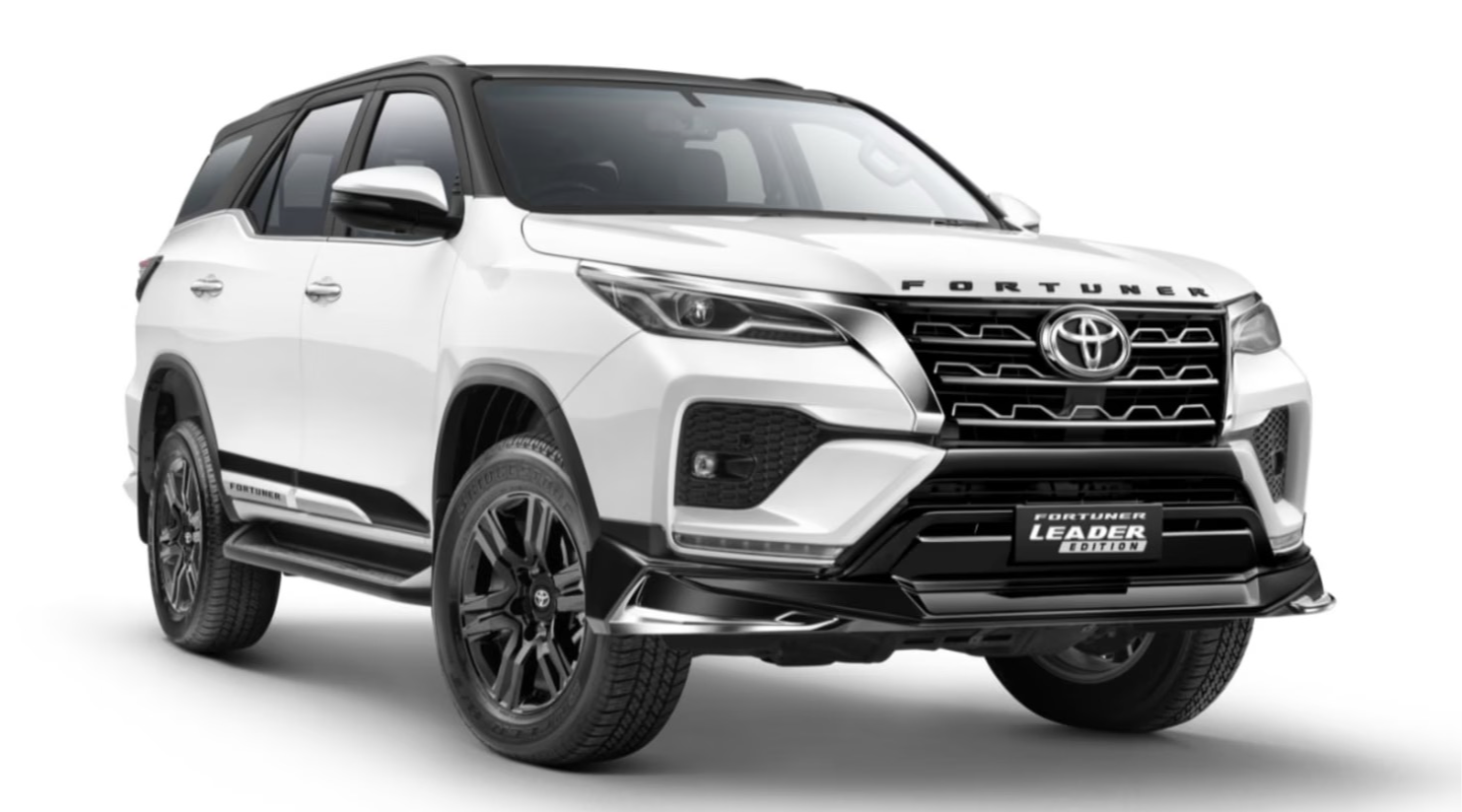
Choose the Toyota Fortuner Diesel if:
You frequently encounter rough roads or challenging terrain.
Genuine low-range four-wheel drive is necessary.
You prefer a proven diesel and conventional automatic.
Long-term ownership and resale are major considerations.
Which variants make the most sense?
Best value: Sorento HTK(A) Diesel FWD
₹33.49 lakh, ex-showroom
This variant offers a compelling balance of comfort, cabin technology and driver assistance without the premium of AWD. Suitable for most urban and highway families.
Best premium family option: Sorento HTX(A) Diesel AWD
₹38.49 lakh, ex-showroom, seven-seat
Worth considering for buyers who want higher-end equipment, AWD traction and additional safety technology.
Best traditional SUV choice: Fortuner Diesel 4x2 AT
₹37.61 lakh, ex-showroom
Suitable for buyers who prioritise Fortuner ownership, a powerful diesel automatic and long-distance touring without needing off-road 4WD.
Best for off-road use: Fortuner Diesel 4x4
From ₹39.35 lakh, ex-showroom
The better choice for genuinely difficult terrain thanks to its ladder-frame construction and dedicated four-wheel-drive equipment.
Final Verdict: Kia Sorento Diesel vs Toyota Fortuner Diesel
Buying priority | AutoPunditz pick |
Value for money | Sorento |
Modern interior and technology | Sorento |
Second-row family comfort | Sorento |
Automatic diesel affordability | Sorento |
Low-range off-road capability | Fortuner 4x4 |
Engine torque (automatic) | Fortuner |
Proven reliability record | Fortuner |
Established resale reputation | Fortuner |
Premium six-seat configuration | Sorento |

Auto Punditz Take
The Kia Sorento Diesel and Toyota Fortuner Diesel cater to different priorities despite occupying overlapping price brackets.
The Sorento makes a convincing argument for buyers who primarily use their SUVs as family vehicles. Its combination of a powerful diesel engine, automatic transmission, spacious cabin, advanced technology and competitive pricing makes it an attractive alternative to traditional full-size SUVs.
The Fortuner, however, retains a clear identity. Its rugged underpinnings, powerful diesel automatic, genuine four-wheel-drive hardware and established reliability record remain major advantages. For buyers planning long-term ownership under demanding conditions, those qualities can justify its higher price.
For most urban and highway-focused family buyers, AutoPunditz would lean towards the Kia Sorento Diesel HTK(A). It provides a strong combination of practicality, features and pricing.
However, buyers who frequently travel over challenging terrain, prioritise resale confidence or intend to retain their SUV for many years under heavy use will find the Toyota Fortuner a more established choice.
Ultimately, the deciding question is not simply which SUV is better equipped, but how the vehicle will be used.
The Sorento is the more compelling comfort-and-value proposition; the Fortuner remains the stronger traditional SUV proposition.
Frequently Asked Questions
Is the Kia Sorento Diesel cheaper than the Toyota Fortuner Diesel?
Yes. The Sorento Diesel starts at ₹27.99 lakh, compared with ₹35.40 lakh for the Fortuner Diesel, making the Kia ₹7.41 lakh cheaper at entry level.
Which SUV has more torque?
The Fortuner Diesel automatic produces 500 Nm, compared with the Sorento Diesel's 442 Nm. The manual Fortuner produces 420 Nm.
Does the Kia Sorento Diesel offer AWD in India?
Yes. The higher-spec HTX and HTX(A) diesel variants offer AWD. Lower variants use front-wheel drive.
Which SUV is better for a family of six?
The Sorento has an advantage for buyers seeking individual second-row seats, thanks to its available six-seat configuration. Actual comfort should be assessed through a test drive and third-row seating trial.
Which SUV will have better resale value?
The Fortuner has a stronger established resale reputation in India. The Sorento's depreciation and used-car demand will become clearer over time.


